Explore Core Articles
Browse the foundational articles that support island food resilience, local production, water security, and ecological restoration.
ARTICLES • FOOD SYSTEMS • WATER • RESILIENCE
Stronger island food systems are built from more than one idea. They depend on land restoration, better water systems, local production design, resilient supply strategies, and a clear understanding of the environmental pressures islands face. This hub brings together the core Feed An Island articles that explain those pieces and how they work together.
Quick answer: Rewilding, invasive plant control, stronger supply chains, agroforestry, Food Habitats, water innovation, and practical local food design all play a role in helping islands move toward greater food independence. 🌱
Some articles focus on restoring degraded systems. Others explain how to grow more food in less space, how to reduce dependence on fragile imports, or how to overcome water limitations. Together, they form the conceptual backbone of a stronger island food strategy.
Islands do not solve food insecurity with one tool alone. They need connected strategies—ecological, agricultural, logistical, and water-smart. This article hub helps readers understand those connections and navigate the most important ideas in one place.
Browse the foundational articles that support island food resilience, local production, water security, and ecological restoration.
This comparison shows how each article supports a different part of the island food resilience puzzle.
| Article | Main Focus | Pressure It Addresses | Opportunity |
|---|---|---|---|
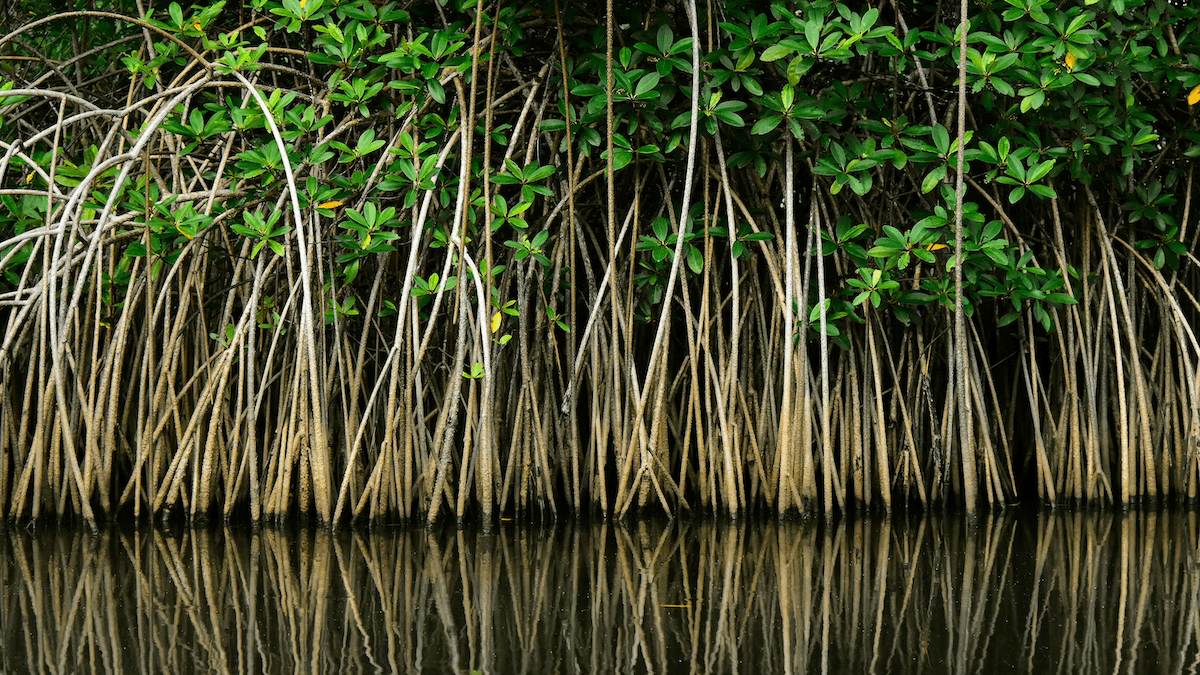
| Rewilding Islands | Ecosystem restoration | Degradation and biodiversity loss | Healthier, more resilient land systems |
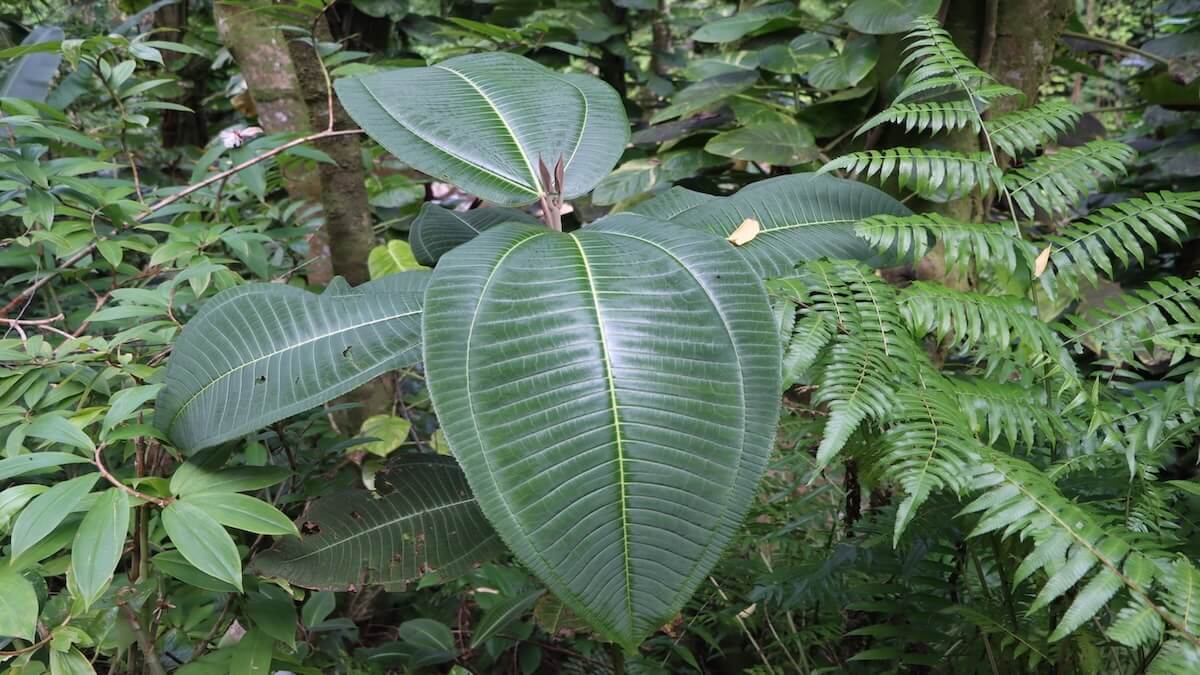
| Invasive Plants | Ecological pressure | Habitat disruption and land decline | Improved restoration and productivity |
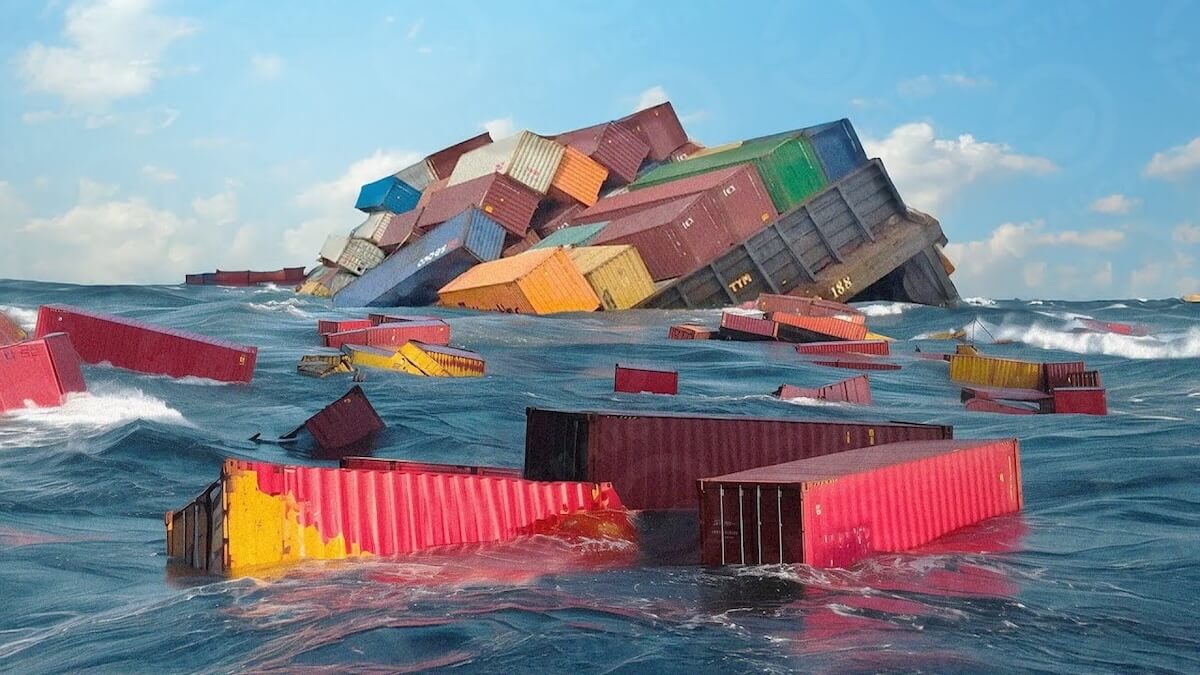
| Supply Chains | Import dependence | Disruption, cost spikes, food vulnerability | Stronger local food resilience |
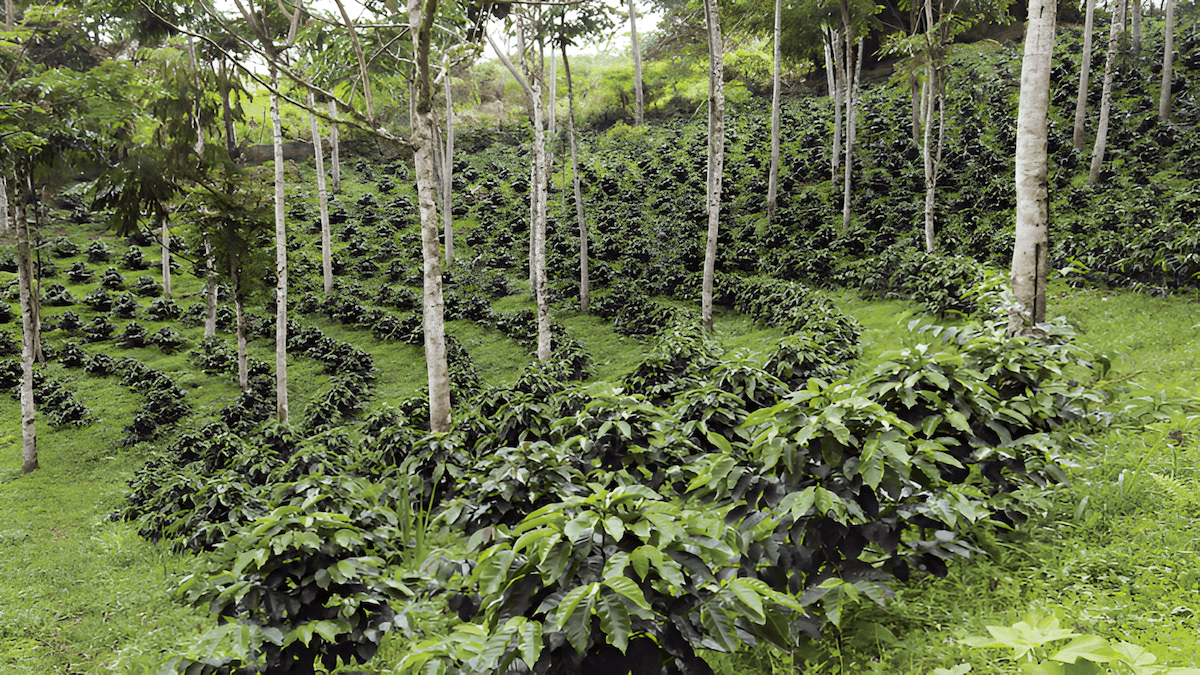
| Agroforestry | Layered food production | Low diversity and fragile growing systems | More resilient, productive landscapes |
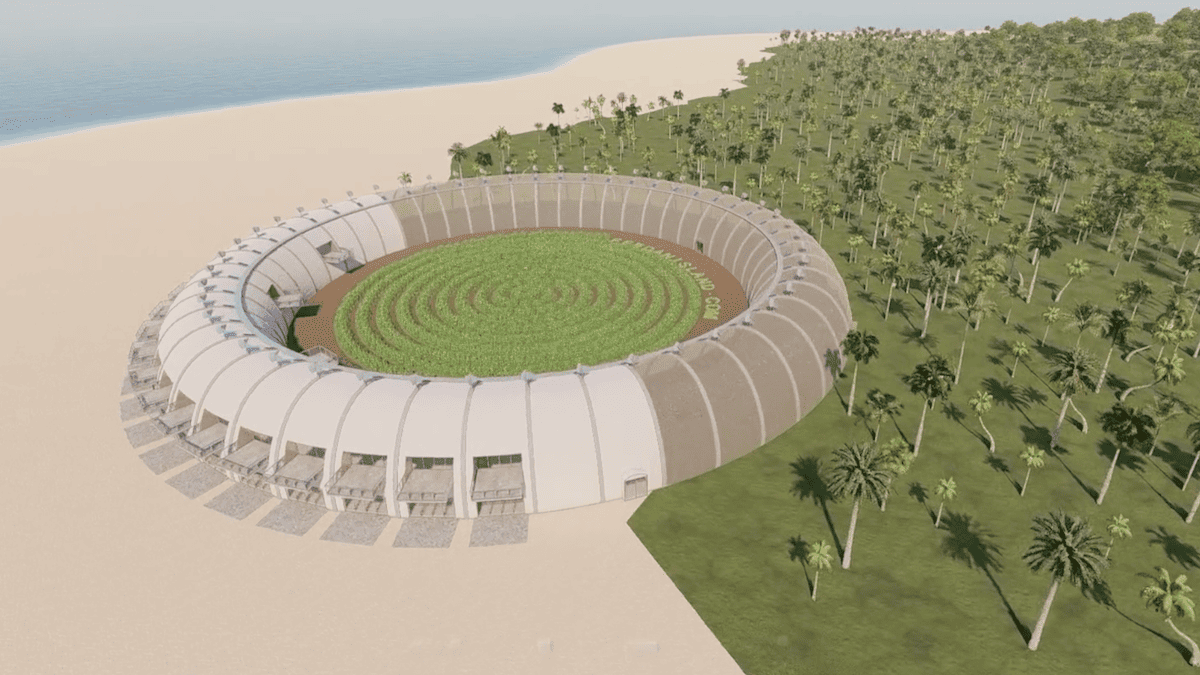
| Food Habitats | Small-space food production | Limited land and water | Higher local yields in tighter footprints |
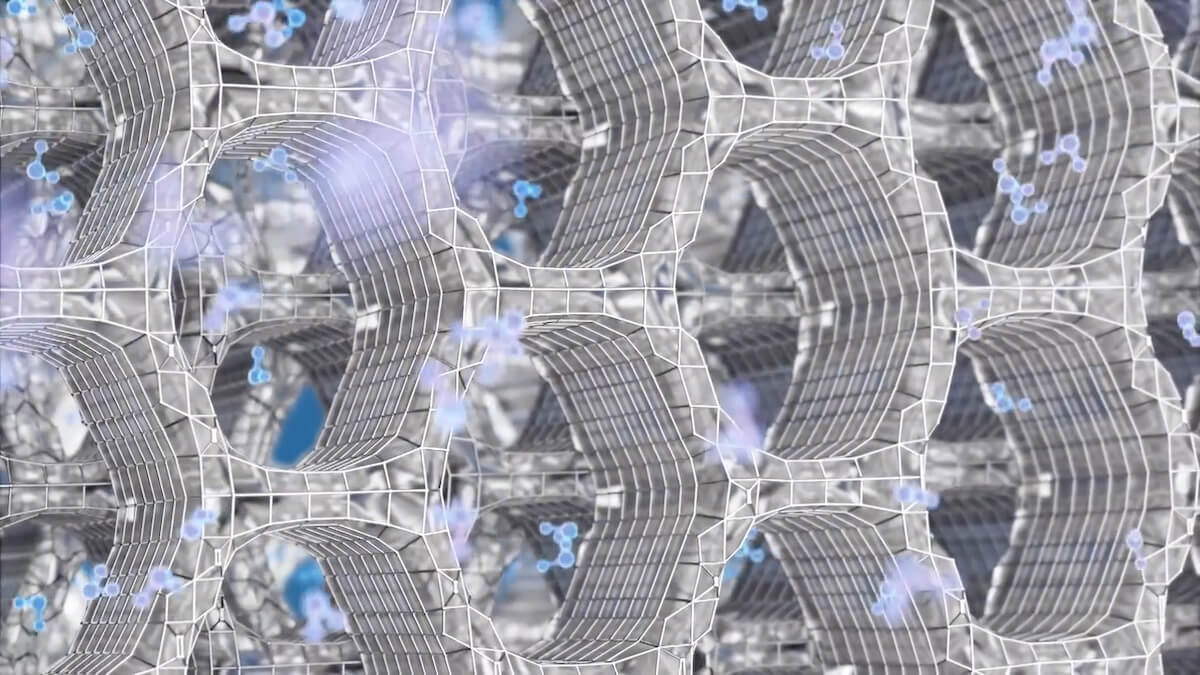
| Water From Air | Alternative water access | Freshwater scarcity | Expanded growing potential |
| Food Independence | Whole-system strategy | Fragmented planning and dependence | Clearer path to self-reliance |
Key insight: These articles are strongest when read as a connected system. Together, they explain why islands need ecological recovery, better water access, stronger local production, and smarter food planning.
A stronger island food system is never just about one crop, one tool, or one project. It depends on how water, land, biodiversity, local production, and supply risk all interact. That is why this article hub matters.
Use practical calculators and planning tools to explore food production, water capture, local yield, import reduction, and broader resilience strategies.
These articles are designed to help readers move from broad concern to practical understanding. They explain the pressures islands face, the systems that can improve resilience, and the strategies that can help communities grow more food locally.
Whether the challenge is degraded land, weak supply chains, invasive pressure, or water limitations, the central goal remains the same: stronger island food systems that are more local, more productive, and more resilient.
Explore the articles above, compare what each one contributes, and use them together as a practical knowledge base for island food independence.